Frozen Pipe Repair · Monroe, NC
Frozen Pipe Repair in Monroe, NC: Shut the Water Off, Thaw Safely and Know What Burst
A frozen pipe is a warning. A burst pipe is a flood. The difference is timing: act before the ice thaws and the water starts to move. Know where your shutoff is before you need it, and know which valve is yours to turn.
Find your shutoff before you need it
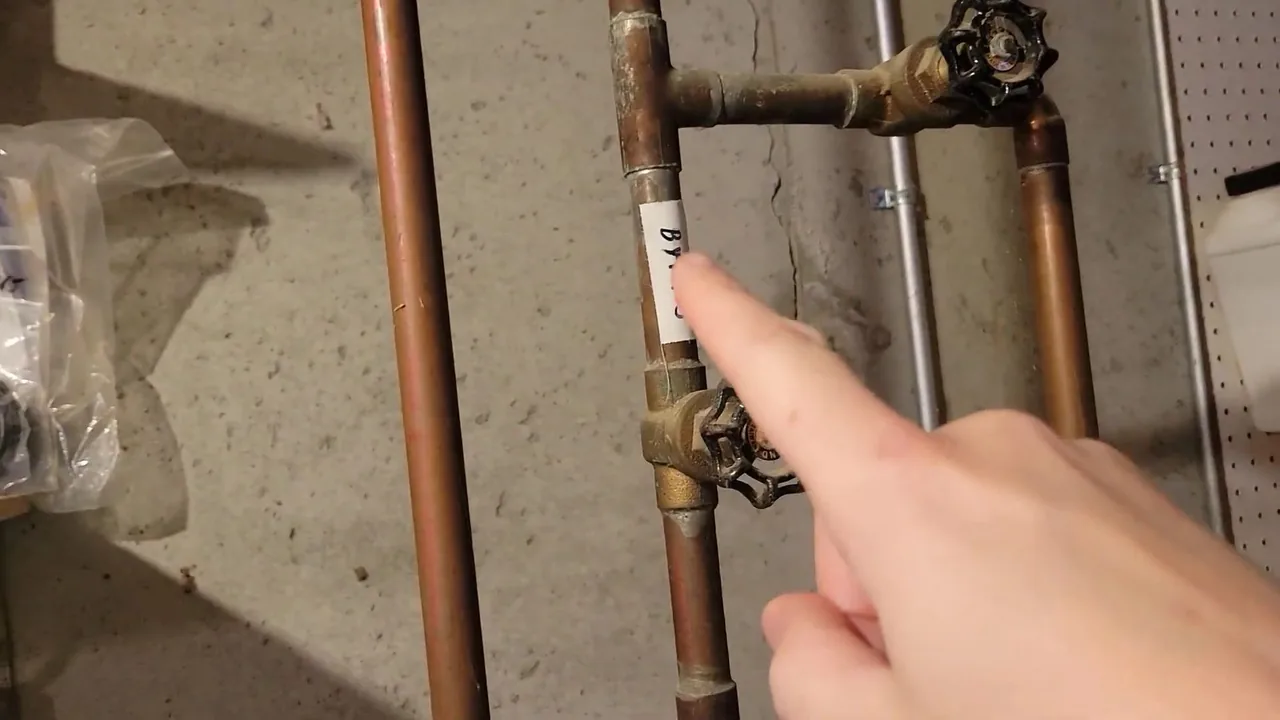
Your main shutoff is usually where the water line enters the house: a basement or crawlspace wall, a utility closet or the garage. Turn it now, while nothing is wrong, and confirm it closes fully.
Do not use the valve at the water meter. Monroe's code says only City employees operate valves on a service connection on the supply side of the meter, with one exception: a licensed plumber may operate the valve in the meter box to cut off flow in an emergency where serious injury or property damage is threatened.
If your own shutoff is stuck or missing, tell the plumber when you call. It changes how the visit starts.
Frozen but not burst: a safe thaw
- Open the nearest faucet.It relieves pressure and lets water move as the ice melts.
- Warm the pipe slowly.A hair dryer or warm towels, working from the faucet back toward the frozen section.
- Never use an open flame.A torch or heater near a pipe is a fire risk, and it can damage the pipe.
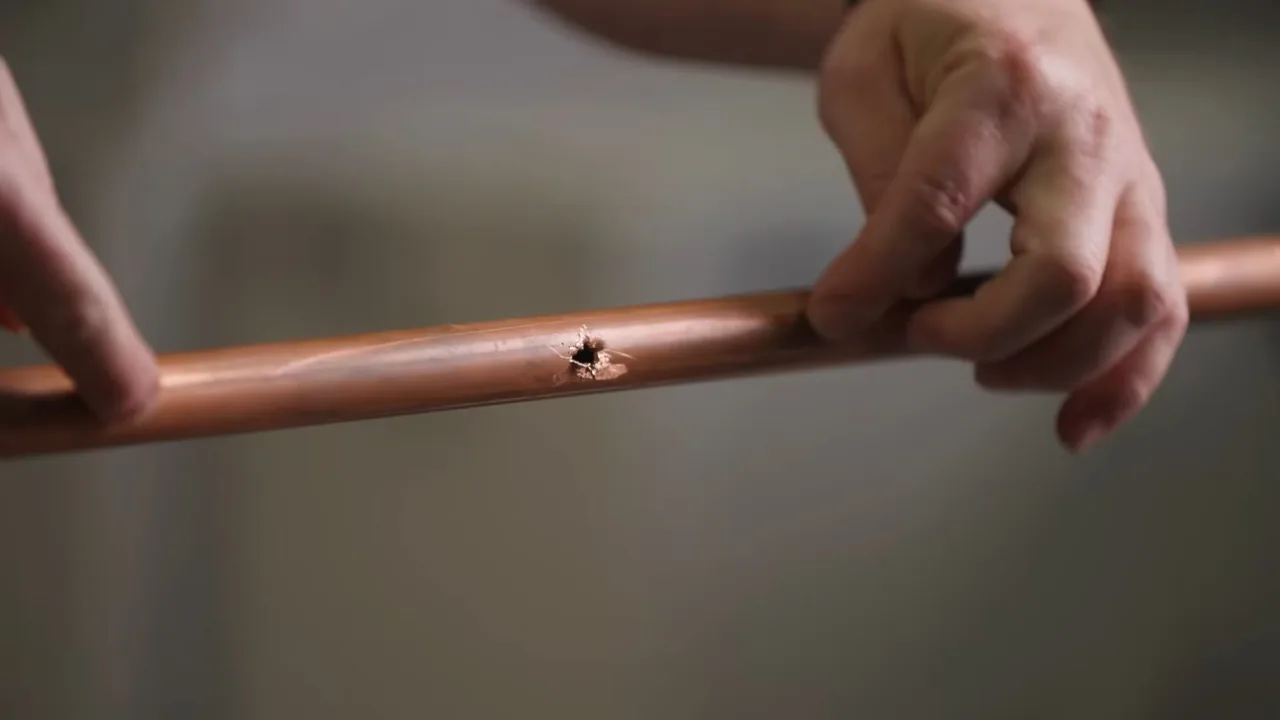
- Look for a split.A bulge, a crack or water spraying means the pipe has already failed. Close the main.
- Call if it will not thaw.A pipe inside a wall or ceiling may need the section opened.
Check the other faucets in the house too. A freeze that closes one line can leave others partly blocked.
The pipes most at risk are the ones the heat does not reach: lines in exterior walls, crawlspaces, attics and garages, and any pipe near a gap that lets cold air in. If a faucet on an outside wall gives no water on a cold morning, start there.
A pipe has burst: the first ten minutes
- Close the main shutoff.Then open the lowest faucet to drain the pipes.
- Mind the electricity.If water is near outlets or the panel, stay out of the room.
- Photograph everything.The break, the water and the damage, before you move anything.
- Move what you can.Belongings, rugs and electronics out of the wet area.
- Call.Tell us where the break is and whether the shutoff worked.
The cleanup after the water is a separate step. Water damage cleanup starts only once the source is stopped, and it uses its own phone number.
Pipe burst or water running? Close the main, then call and tell us where the water is coming from.
Call (833) 571-0120What a burst pipe repair involves
Cutting back to sound pipe
The visible split is rarely the whole story. A freeze can crack a pipe along a length, so the plumber cuts back to sound pipe and replaces the section, not just the hole.
Checking the rest of the run
Frozen lines often split in more than one place. Ask the plumber to check the whole exposed run, and to test the system under pressure after the repair.
Pipe materials and fittings
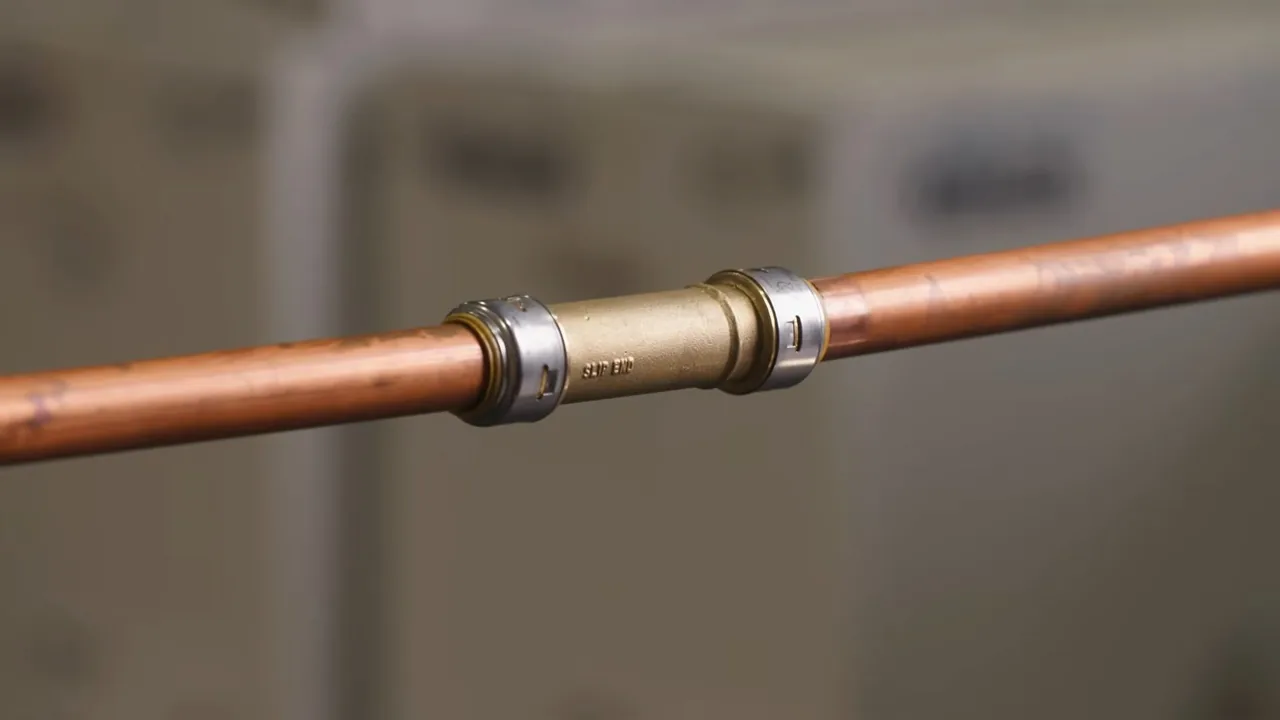
Copper, CPVC and PEX are repaired differently, and the right fitting depends on the material already in the wall. Ask what is being used and why.
Turning the water back on
After the repair, reopen the main slowly and walk the house. Check every fixture on the repaired run, the ceiling below it and the meter once the water has settled. A meter that keeps moving with everything off means water is still escaping somewhere.
What to write down before anything is moved
Note the time you found the pipe and the time you closed the main, and photograph the wet area before you dry or move anything. Those details help the plumber judge how long water ran, and they are the first thing an insurer will ask for if you file a claim.
Prevention for the next cold night
Insulate pipes in unheated spaces such as crawlspaces, garages and exterior walls. Disconnect garden hoses, and shut off and drain outdoor spigots where there is a separate valve.
On a very cold night, open the cabinet doors under sinks on exterior walls and let a faucet drip. Moving water is slower to freeze.
This page makes no claims about how often Monroe freezes, because that depends on the winter. The prevention steps cost little compared with a repair, and they are worth doing before the cold arrives.
Burst and frozen pipe questions from Monroe homeowners
Can I use a torch to thaw a frozen pipe?
No. An open flame near a pipe is a fire risk and can damage the pipe or the wall behind it. Use a hair dryer or warm towels, and call a plumber if the pipe will not thaw.
Should I turn off the water at the meter?
No. Monroe's code allows only City employees to operate valves on the supply side of the meter, apart from a licensed plumber in an emergency. Use the shutoff inside your house.
Does my homeowner's policy cover a burst pipe?
That depends on your policy. Call your agent and ask what it says about sudden water damage and about the cost of the repair itself, and photograph everything before you clean up.
Records, receipts and the damaged pipe
Photograph the break and the damage before cleanup, and keep receipts for emergency steps such as a shutoff repair or temporary supplies. An insurer may ask for them.
A business adds its landlord and its own insurer to the call list, and the page on business plumbing repairs covers what to record.
Ask the plumber to leave the damaged section with you, or to photograph it clearly before it is discarded. It can help show how the pipe failed if your insurer wants to know.
A burst inside a wall, a ceiling or under the slab
When the water appears but the break does not, the source needs finding before anyone opens a surface. A leak behind a wall is located with listening equipment and thermal imaging, which keeps the opening small.
If the line runs under concrete, a break under the slab covers the repair options, including rerouting the pipe overhead.
Pipe frozen or burst in Monroe?
Close the main, then call and tell us where the water is and whether the shutoff worked.