Hot Water Heater Repair · Monroe, NC
Hot Water Heater Repair in Monroe, NC: What to Check, What Fails and When to Replace
No hot water, a rumbling tank and a puddle in the utility closet all feel like the same emergency. They are not. A tripped breaker takes a minute, a failed element is a part, and a leaking tank is the end of that heater.
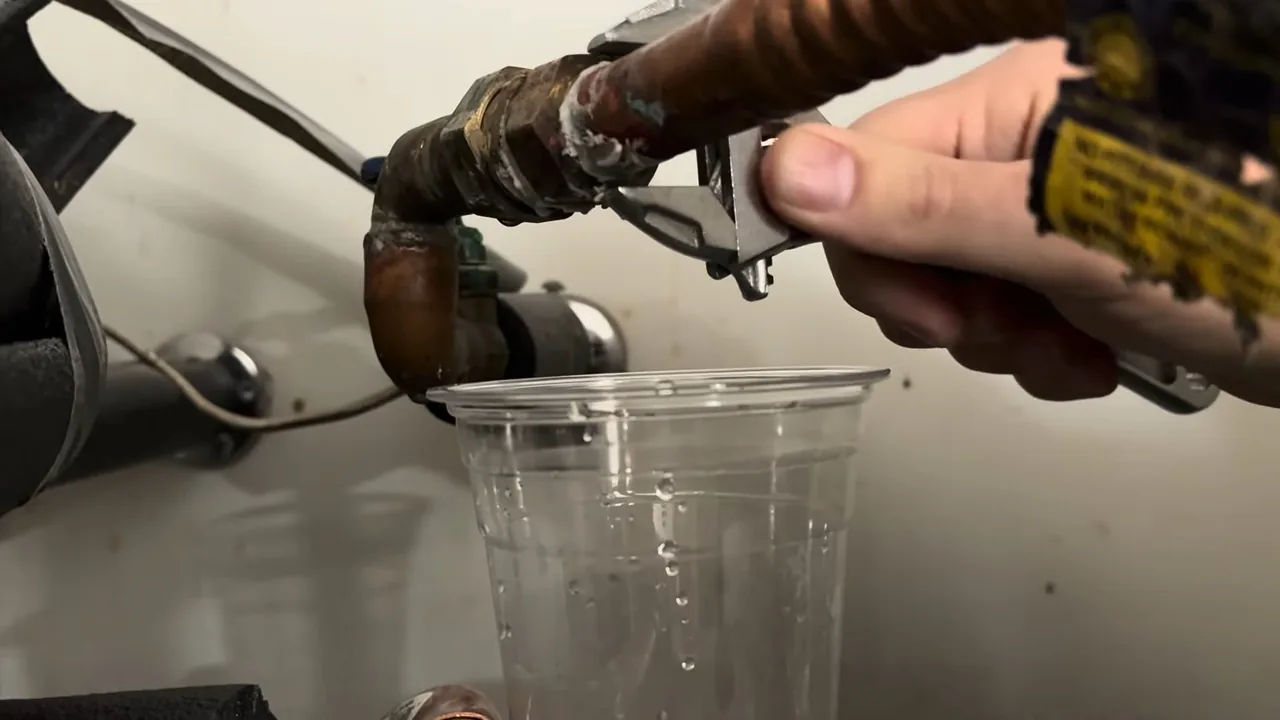
Water on the floor: is it the tank or a fitting?
Start by limiting the water. Close the cold water inlet valve on the pipe above the heater, and if you can reach the power or gas control without stepping in water, turn it off.
Then look for the source. Drips at a pipe connection, the relief valve or a drain valve can often be repaired. Water coming from the body of the tank, or pooling under the heater with no fitting wet above it, usually means the tank has failed and replacing the heater is the sound choice.
- Close the cold water inlet.It stops new water entering the tank.
- Turn off power or gas.Only if you can do it without standing in water. Otherwise leave it and call.
- Find where the water starts.Follow it up from the lowest point to the fitting, valve or tank seam.
- Photograph it.It helps the plumber, and your insurer if the floor is damaged.
No hot water: electric and gas checks
Safe checks are limited to the ones a label tells you to make. Anything involving gas, wiring or a lit flame beyond that is a plumber's job.
| Type | Check first | If that does not fix it |
|---|---|---|
| Electric | The breaker, then the reset button behind the thermostat access panel if the label shows one | A failed heating element or thermostat is likely, and a plumber tests and replaces it |
| Gas | Whether the pilot or igniter is working, following the instructions on the heater's label | A pilot that will not stay lit often points to a thermocouple or gas control fault |
If you smell gas at any point, leave the building and call the gas utility or 911 from outside. A gas smell is not a repair you wait on.
Not sure whether it is a repair? Tell us the fuel type, what you have already checked and where any water is showing.
Call (833) 571-0120Rumbling, popping and rust-colored water
Sediment collects at the bottom of a tank and can cause rumbling or popping as the water heats. It can also shorten the life of the heating element and the tank lining.
Rust-colored water raises a question worth answering: is it only the hot tap, or both? Rust in the hot water alone points to the heater. Rust in both the hot and cold water points to the supply pipes, which is a different problem.
Hidden leaks along the supply lines are covered under locating a hidden leak.
Repair or replace: the questions that settle it
- How old is the heater?The rating plate lists a serial number that usually encodes the manufacture date. Ask the plumber to read it.
- Where is it leaking?A leaking fitting or valve is a repair. A leaking tank is not.
- What has it needed already?A second or third repair on an older unit weakens the case for another one.
- What does the plumber quote for each?Ask for the repair and the replacement side by side, so you are choosing between two real options.
If replacement is the answer, water heater installation explains the license, permit and sizing decisions that follow.
Water too hot or not hot enough: thermostat and sizing checks
Water that is too hot or never gets hot enough is not always a failed part. A thermostat setting that has been changed, a mixing problem at a single faucet or a heater sized for fewer people than now live in the house can all look like a fault.
Check the temperature setting against the heater's label. A lower setting reduces the risk of scalding, especially for children and older adults. If the water is hot at the tank but weak at the tap, the pipes or a valve may be the cause rather than the heater.
If the unit is still under warranty, ask the plumber to check before any part is bought, so the claim is not lost.
When the relief valve is discharging
A temperature and pressure relief valve is a safety device. If its discharge pipe is dripping or running, the tank is reaching too much temperature or pressure, and the cause needs to be found.
Never cap or plug the relief valve or its discharge pipe. Call as soon as you see it, because the scald risk is real and the repair is often simple once the cause is known.
Repairs, replacements and the rules in North Carolina
North Carolina's licensing rules treat minor repairs to an existing system differently from installing or replacing a water heater, which requires a plumbing license. So swapping an element or a thermostat is a repair, and installing a new heater is not.
Union County says a like-for-like replacement needs no permit, and we could not find the City of Monroe's own rule. For a repair, ask the plumber whether anything beyond a part swap is involved, and call the City's Building Standards office at 704-282-4524 for an address inside Monroe, or the County at 704-283-3816 elsewhere, if the job grows.
Water heater repair questions from Monroe homeowners
Why does my hot water run out so quickly?
Common causes are sediment in the tank, a failed heating element on an electric unit and a heater that is too small for the household's use. A plumber can check the element and the tank, and discuss whether the unit suits your demand.
Is it safe to relight a pilot myself?
Only if the label on the heater explains how and there is no smell of gas. If you smell gas, leave the building and call the gas utility or 911. A pilot that will not stay lit is a repair for a plumber.
How do I find out how old my water heater is?
Look at the rating plate on the tank for the serial number, which usually encodes the manufacture date. If you cannot read it, the plumber can look it up with the manufacturer.
Water heater trouble in Monroe?
Tell us whether it is gas or electric, whether there is water on the floor and what you have already tried.