
Tankless Water Heaters · Monroe, NC
Tankless Water Heaters in Monroe, NC: Gas Supply, Venting and Whether the Switch Makes Sense
A tankless heater heats water as you use it instead of keeping a tank hot, and the idea is simple. The installation is not. Gas supply, venting, electrical needs and the permit question all change when you leave a tank behind, and those four answers decide whether a switch is a good idea for your particular house.
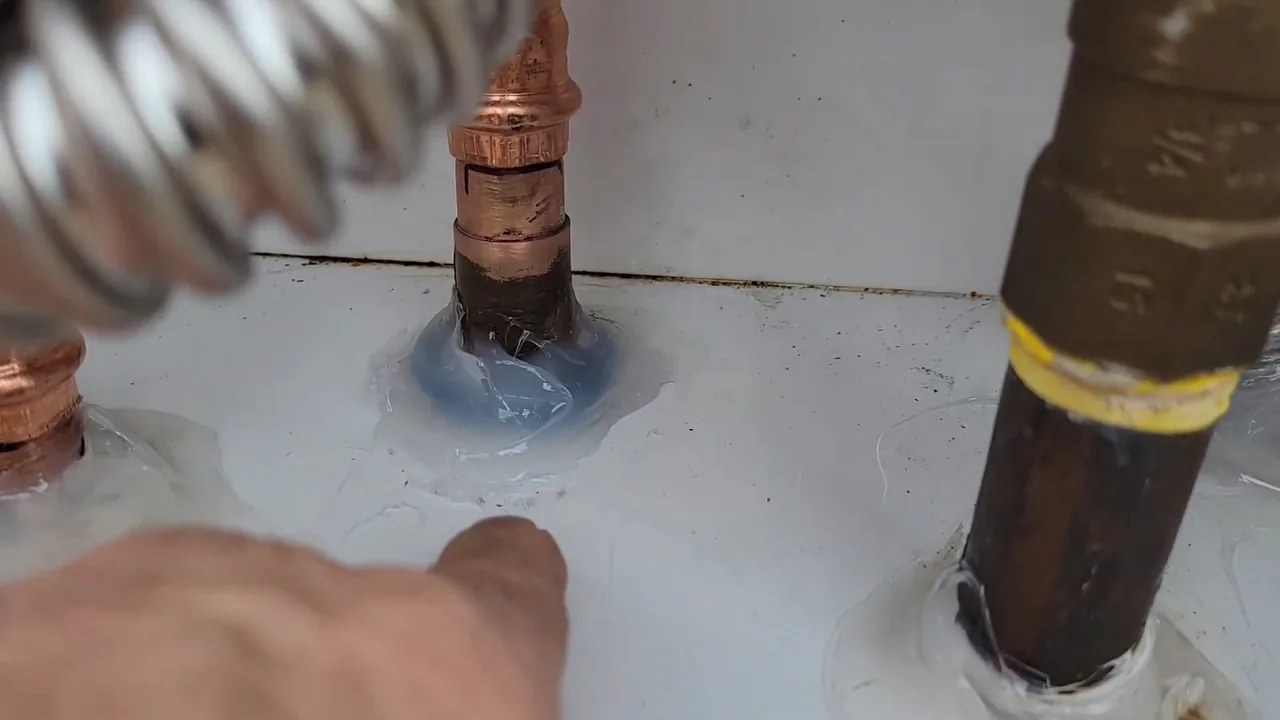
What changes when you leave the tank behind
| Part of the job | With a tank | With a tankless unit |
|---|---|---|
| Gas supply | A modest burner that runs a while to reheat the tank | A much larger burner that fires hard for as long as water runs, so the line has to be able to feed it |
| Venting | Often a simple draft or standard vent | Typically sealed, special venting through a wall or the roof |
| Electricity | None for a standard gas tank, in most cases | An outlet near the unit for the controls and fan |
| Location | Floor space for a tank and a drain pan | A wall, where the unit hangs and the vent can exit |
| Water | Stored hot water, delivered at once | Hot water delivered on demand, at a rate that depends on the unit's size and the incoming water temperature |
The first row is the one homeowners overlook. If your house was plumbed for a tank-style heater, the gas pipe to it may be too small for a tankless unit, and the fix is a larger line. That cost belongs in the quote before you commit, which is also why the question of your gas supply is covered on how gas piping is repaired and tested.
Hot water demand and gas line size: questions that decide it
- How much hot water do you run at once?Count the shower, the dishwasher and the washer that might run together. A unit is sized by how much water it can heat per minute, not by gallons stored.
- Is the gas line big enough?Ask the plumber to check the size and length of the existing line against the unit's requirement before quoting.
- Where can it vent?The unit needs an exit through an outside wall or the roof. Some closets and interior locations make that hard.
- What does the water do to it?Scale builds up inside a tankless heat exchanger, so ask how the unit is flushed and how often. Monroe does not publish a hardness figure on its water report that we could find, so we do not claim one.
- Is it the right moment?A tank that is leaking is a different decision from a tank that is only getting old. See the repair-or-replace section below.
Who may install it, permits and the like-for-like exception
North Carolina requires a plumbing license to install or replace a water heater, with an exception for an owner working on their own home, which is not for sale or rent. Minor repairs are exempt. The rule is in the state board's regulations, 21 NCAC 50.0506(b), and a plumber should be willing to show you license details before the work begins.
Union County says a like-for-like water heater replacement, meaning the same fuel, location, capacity and venting, does not need a permit, while a change in the design of the plumbing does. A switch to tankless often changes at least one of those four things. It may change the venting, the gas piping or the location, so do not assume the exemption covers it.
Inside the City of Monroe, permits come from the City's Building Standards office at 704-282-4524. Union County says its Building Code Enforcement office, 704-283-3816, issues building permits in all parts of the county except Monroe and Waxhaw. We could not find the City's rule on tankless conversions, so ask the issuing office whether your specific change needs a permit. The same answer is covered on replacing a tank-style water heater, where the like-for-like question comes up most often.
Thinking about a tankless unit? Tell us your fuel, where the current heater sits and how many people use hot water at once.
Call (833) 571-0120Repair the tank or switch?
A tank that is leaking from the body cannot be repaired, and the decision becomes replace with a tank or replace with a tankless unit. A tank that has a failed part, such as an element, a thermostat or a burner component, may be worth fixing, and a water heater that has stopped heating describes how to tell the difference.
We do not quote a lifespan for either type here, because the figures vary by model, water and maintenance, and none that we could verify for Monroe is solid enough to print. The better question to ask a plumber is what condition your unit is in today and what it would take to keep it running.
The cost of the switch is more than the unit
Ask what the quote includes beyond the heater: new venting, a larger gas line, an electrical outlet, a condensate drain for high-efficiency models, a permit if one is needed, and the haul-away of the old tank. A quote that lists only the unit has not told you the cost of the job.
What a good tankless installation includes
- A check of the gas line.The size and run of the line is checked against the unit's requirement, and upgraded if it falls short.
- Proper venting.The vent is the type the manufacturer specifies, sealed at the joints and terminated where it cannot blow back in.
- Isolation valves.Service valves let the unit be flushed later. Ask whether they are part of the installation.
- A condensate path.High-efficiency units produce acidic condensate, which needs a drain, and sometimes a neutralizer.
- A pressure and leak test.Gas connections are tested for leaks before the unit is put into service.
- A walkthrough.You should be shown the shutoff valves and what the display codes mean.
A cold-water sandwich and other surprises
People who switch to tankless sometimes notice a brief burst of cold water between two hot draws, because water that has already left the unit cools in the pipe. That is normal behavior for the design. A recirculation line or a small buffer tank can reduce it, and it is worth asking about before the install if you run hot water in short bursts.
Tankless heaters also have a minimum flow below which they will not fire, so a very slow trickle may not heat. If your fixtures are low-flow, ask whether the unit you are considering will fire at the flow you actually use.
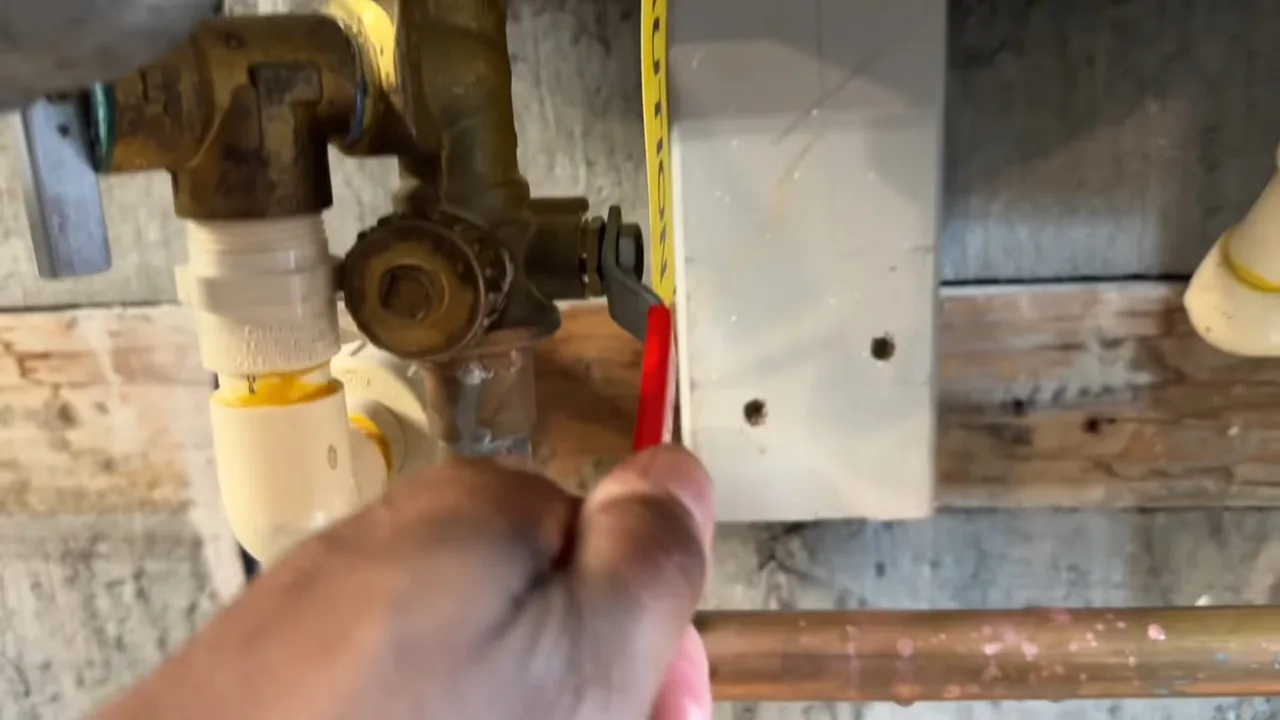
After the switch: leaks and water damage
A heater of any kind is a place where water can show up where it should not. If you find damp on the wall behind the unit or the floor below it, tracing a leak to its source explains how to tell a connection from a hidden line. Wet drywall or flooring is handled separately, on a different number, under water damage from a failed heater.
Tankless questions from Monroe homeowners
Does a tankless heater need a bigger gas line?
Often, yes. A tankless unit fires a much larger burner than a tank heater, so the existing line has to be sized to feed it. Ask the plumber to measure and calculate it before quoting.
Do I need a permit to switch to tankless?
A like-for-like swap is exempt under Union County's rule, but a switch that changes the venting, the gas piping, the location or the capacity may not be. Inside Monroe the City's Building Standards office takes applications (704-282-4524), and the County handles the rest of the county except Waxhaw (704-283-3816). Ask whether your change needs a permit.
Can I install a tankless heater myself?
North Carolina requires a plumbing license to install or replace a water heater, with an exception for an owner working on their own home, which is not for sale or rent. Gas and venting make this a poor place to guess, even where the exception applies.
Will a tankless heater give me endless hot water?
It heats continuously while water runs, but only up to the rate it can heat. Several fixtures at once can exceed that rate, so size the unit to your household's peak use.
Considering a tankless heater in Monroe?
Tell us your fuel, the heater's location and what you want to change. We will talk through the gas, the venting and the permit question with you.