
Slab Leak Repair · Monroe, NC
Slab Leak Repair in Monroe, NC: Signs, How the Leak Is Pinpointed and What the Repair Options Are
A slab leak is a leak in a water line that runs beneath a concrete floor. It is hard to see, hard to reach, and expensive to guess about. The first job is to prove the leak is under the slab at all, because several simpler problems look exactly like it.
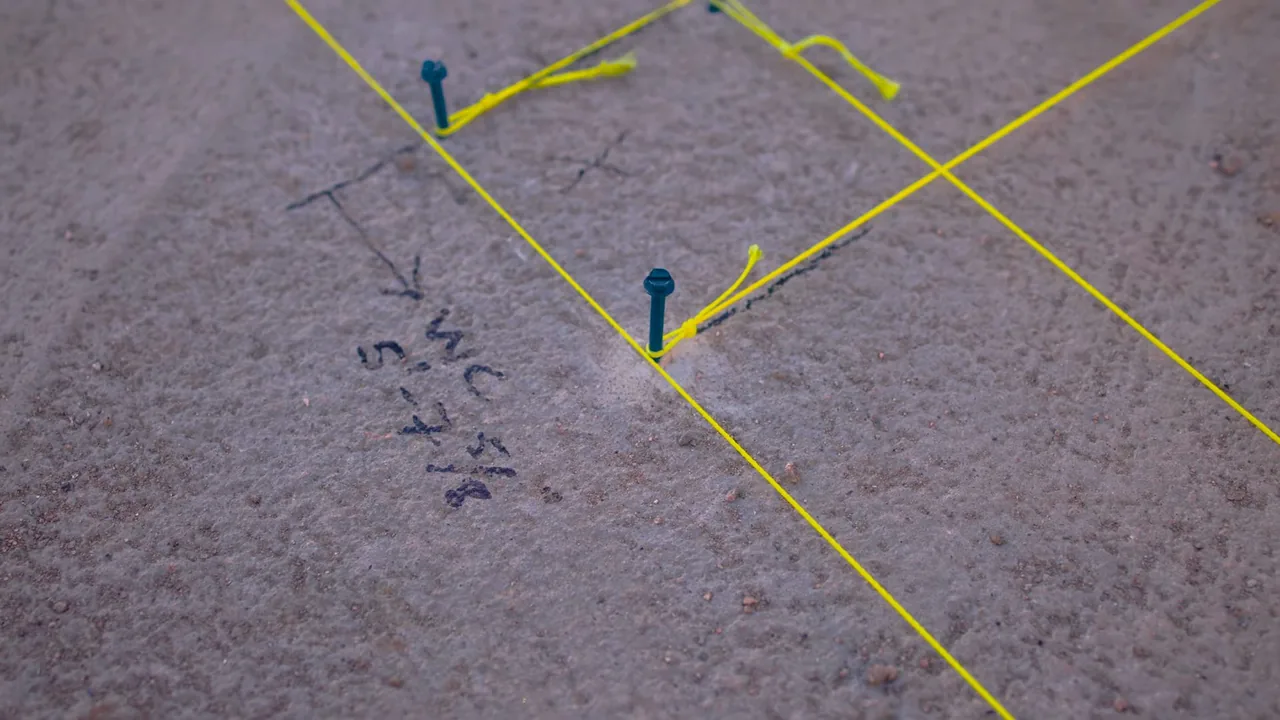
Six signs of a slab leak under the floor, and why none proves it
| What you notice | What it may mean | First check |
|---|---|---|
| A water bill that rose with no change in use | Water is escaping somewhere on the property | The meter test on the leak detection page |
| The sound of running water when everything is off | A line is leaking under pressure | Listen at the floor near the water heater and the meter |
| A warm or hot spot on the floor | A hot water line under the slab is leaking | Feel the floor with a bare hand; note where |
| Damp or discolored flooring, or flooring lifting | Water is coming up through the slab | Look at the edges and under baseboards |
| Low hot water pressure or a heater that never stops running | A hot line is losing water before the fixtures | Compare to cold pressure |
| Cracks in the slab or walls that are new | Movement from water, though cracks have many causes | Note when they appeared |
None of these proves a slab leak. A leaking toilet, a running irrigation system and a dripping valve can each raise a bill or make a sound. Confirm the leak before anyone opens a floor.
Confirm a slab leak with the meter test before cutting
- Run the meter test.Turn off every fixture and appliance that uses water, then watch the meter's leak indicator or take two readings thirty minutes apart. The full method is on finding out where a leak is.
- Separate the house from the line to it.A leak between the meter and the house shows the same on the meter. Closing the valve where the line enters the house, if you have one, helps tell them apart.
- Rule out the fixtures.Check toilets with the dye test and look for drips at faucets and the water heater's relief valve.
- Ask for a locate, not a guess.Electronic listening equipment and thermal imaging help a plumber narrow a leak to a spot before any concrete is touched.
A smell of gas near a floor is a different emergency, covered on what to do when you smell gas.
Your repair options
Spot repair through the slab
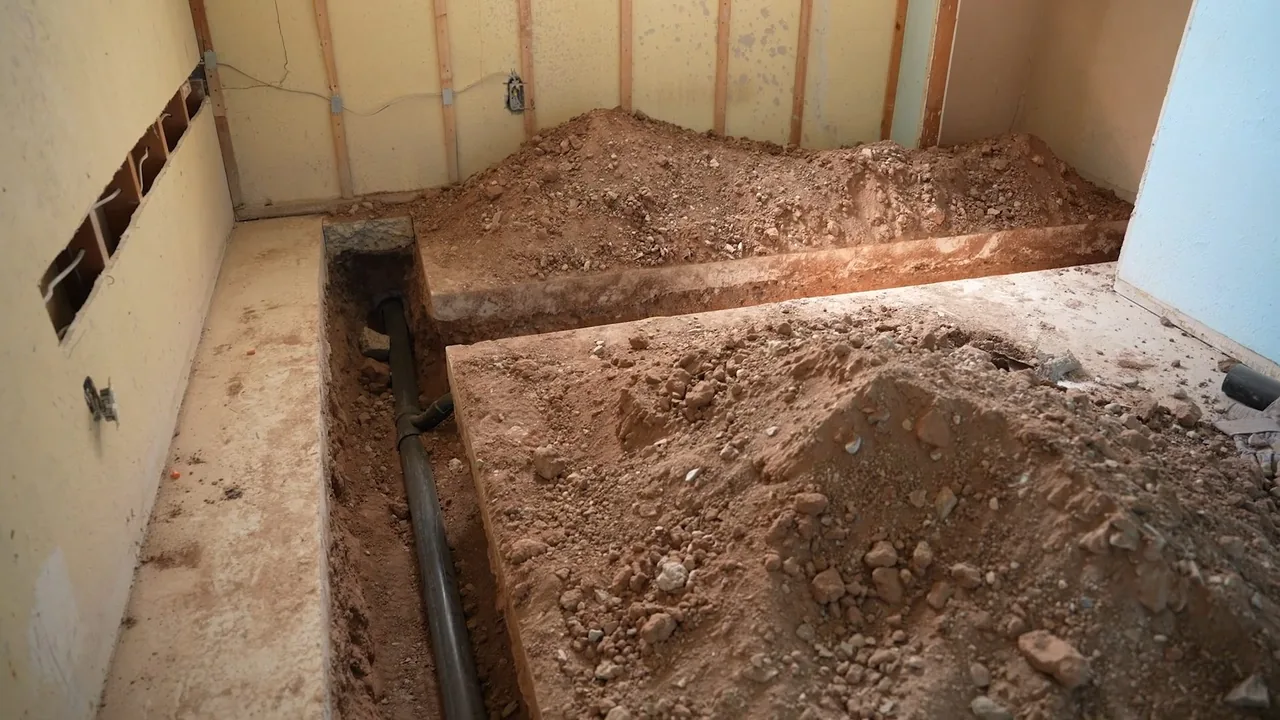
The plumber locates the leak, breaks out a small section of concrete, repairs or replaces the damaged length and closes the opening. It suits a single leak in an otherwise sound line. The cost and disruption depend on what is above the spot, since a kitchen cabinet or a tile floor makes it harder.
Rerouting the line
The failed line is abandoned and a new one is run through the attic, walls or crawlspace instead, avoiding the slab. It suits a line that is failing in several places or one that runs under a hard-to-reach area. It opens walls or ceilings, but not the floor.
Replacing the lines
When the piping has failed repeatedly, replacing the affected lines may be more sensible than repeating spot repairs. The question to ask is how many leaks the line has had and why. A single leak in good pipe is a different problem from a run that is wearing out.
Each option moves the disruption somewhere else, so ask the plumber to show you what will be opened for each, and what the finished floor or wall will look like.
A bill that does not add up, or a warm spot on the floor? Tell us what you have found, and whether the meter test points to a leak.
Call (833) 571-0120What Monroe's housing age, soil and water supply say about your pipes
Census data shows about 39 percent of Monroe homes were built before 1980, and the median build year is 1989. That tells you roughly when your piping went in. It does not tell you what the pipe is made of or whether the house sits on a slab, because homes here vary by age, neighborhood and builder, and we found no source saying most Monroe homes are on slabs. The foundation is a fact about your own house, and a plumber standing in it can tell in a minute.
The water in the pipes
The City of Monroe's 2023 water quality report says its water comes mostly from Lake Twitty, Lake Lee and Lake Monroe, with an intermittent supply from the Catawba River. It gives the pH as 7.5 and says the City adjusts pH to reduce corrosion in the distribution piping and in your home. The report gives no hardness figure, and it lists corrosion of household plumbing as a source of lead and copper. It does not say how fast the pipes in any one house wear, so if a plumber finds pinholes in copper, ask what they think caused them and whether more are likely along the same run.
The ground under the slab
The North Carolina Geological Survey says expansive soils, which swell when wet and shrink when dry, can occur almost anywhere in the Piedmont, and that a small amount of expansion can damage a foundation. Its page does not map Monroe, so we cannot say your lot has them. If new cracks in the slab or walls show up alongside a rising water bill, tell the plumber, because movement and leaks can both produce cracks and only someone on site can tell which came first.
Insurance and documenting the damage
Check your policy before work starts, and photograph the damage and the plumber's findings as they are discovered. The North Carolina Department of Insurance notes that a standard homeowner's policy excludes flood, sewer or sump backup (an endorsement can add it) and seepage. How a policy treats a slab leak varies, and we cannot say for yours, so ask your insurer what documentation it wants.
Ask the plumber for a written description of what was found, where, and what was done. If water spread to the floor, walls or contents, drying out a water-damaged floor is a separate job handled on its own number.
Mold and moisture
A slab leak that has run a while can leave the area under flooring damp. Moisture that stays can lead to mold, and the repair is only part of the answer. If you see or smell mold, tell the person doing the repair so the floor is dried properly before it is covered again.
Before you agree to a slab repair
- Was the leak located, not guessed?Ask how it was found and how sure the plumber is of the spot.
- What will be opened and restored?Concrete, flooring, cabinets and walls can all be affected. Ask who handles each.
- Is the line worth keeping?Ask about the age and material of the piping and whether more leaks are likely.
- What does rerouting involve?Ask where the new line would run and which walls or ceilings are affected.
- Is a permit needed?Union County says plumbing additions and changes in design need a permit. Inside Monroe the City's Building Standards office takes applications (704-282-4524); the County handles the rest of the county except Waxhaw (704-283-3816).
Slab leak questions from Monroe homeowners
How do I know if the leak is under my slab?
A rising water bill, the sound of water with everything off, or a warm spot on the floor all point that way, but none proves it. A meter test and a plumber's locating equipment confirm it.
Do I have to break the concrete to fix a slab leak?
Not always. A spot repair does, but rerouting the line through walls or ceilings can avoid the floor. Each option opens something, so ask what yours would.
Are most homes in Monroe built on slabs?
We could not verify that, so we do not say it. The foundation of your own house is easy to check, and a plumber can tell you when they are in the house.
Does Monroe's water cause pipe leaks?
The City's 2023 water quality report says it adjusts pH to reduce corrosion in pipes, and it lists corrosion of household plumbing as a source of lead and copper. It does not say how quickly pipes in a particular house wear, so a leak is a question for the plumber who finds it.
Will my homeowner's insurance cover a slab leak?
It varies by policy. The state insurance department notes that standard policies exclude flood, sewer or sump backup (unless endorsed) and seepage. Ask your insurer what yours covers and what documentation it needs.
A suspected slab leak in Monroe?
Tell us what you have noticed and whether you have run the meter test. We will tell you what to check next.