
Leak Detection · Monroe, NC
Leak Detection in Monroe, NC: Confirm the Leak at the Meter Before Anything Is Opened
A water bill that climbs with no change in habits, a warm patch on the floor or the sound of running water at night all point to a leak you cannot see. Finding it is less destructive when the plumber knows where to listen, and you can narrow it down yourself in the first twenty minutes.
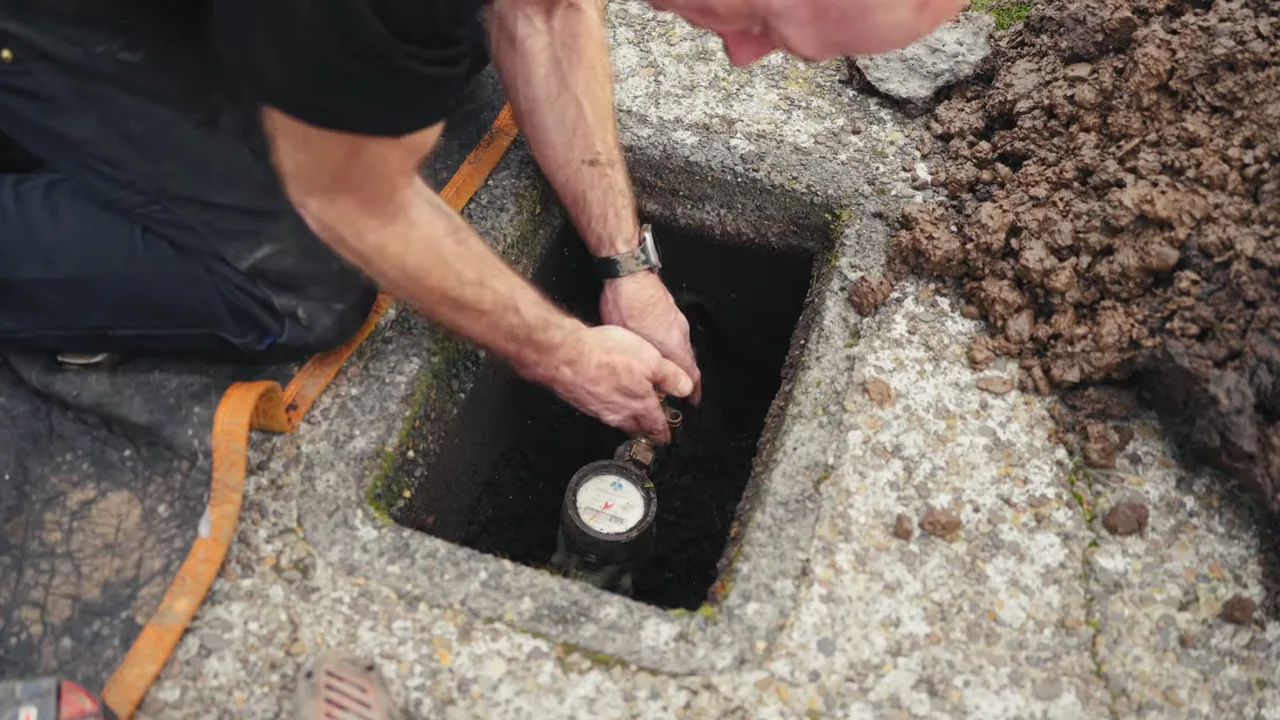
Is water actually escaping? The meter test
- Turn off everything that uses water.Include the ice maker, the dishwasher, the washing machine and any irrigation.
- Read the meter.Note the digits, and look for the small leak indicator, which turns with even a slow flow.
- Wait, then read it again.Use no water in between. Movement means water is going somewhere.
- Do not turn the valve at the meter.Monroe's code allows only City employees to operate valves on the supply side of the meter, with an exception for a licensed plumber in an emergency.
A meter that holds still means the leak, if there is one, only shows when water is in use, which points to a fixture or an appliance.
Inside the house, or between the meter and the house?
Now close your own main shutoff inside the house and check the meter again. The result tells you which side of your plumbing the leak is on.
| Meter after you close your main | Where the leak is | What to do next |
|---|---|---|
| It stops moving | Inside the house, past your shutoff | Check fixtures, then call for leak location if you cannot find it |
| It keeps moving | On the line between the meter and your shutoff | A buried line problem, which needs locating before any digging |
| It never moved in the first test | Not a constant leak | Look at fixtures that only leak under pressure or when used |
Water in Monroe comes from the City, while most of Indian Trail is served by Union County Water and parts of Beacon Hills and Crismark by Carolina Water Service. Call the utility named on your bill about anything on its side of the meter.
Quiet leaks you can check yourself
The toilet tank
Add a few drops of food coloring to the tank and wait without flushing. If color shows in the bowl, the flapper is leaking, which is a small repair. See a running toilet.
Faucets and hose bibs
A drip adds up over a month. Dripping faucets are usually a cartridge or washer, and an outdoor spigot can leak inside the wall when the handle is closed.
The water heater
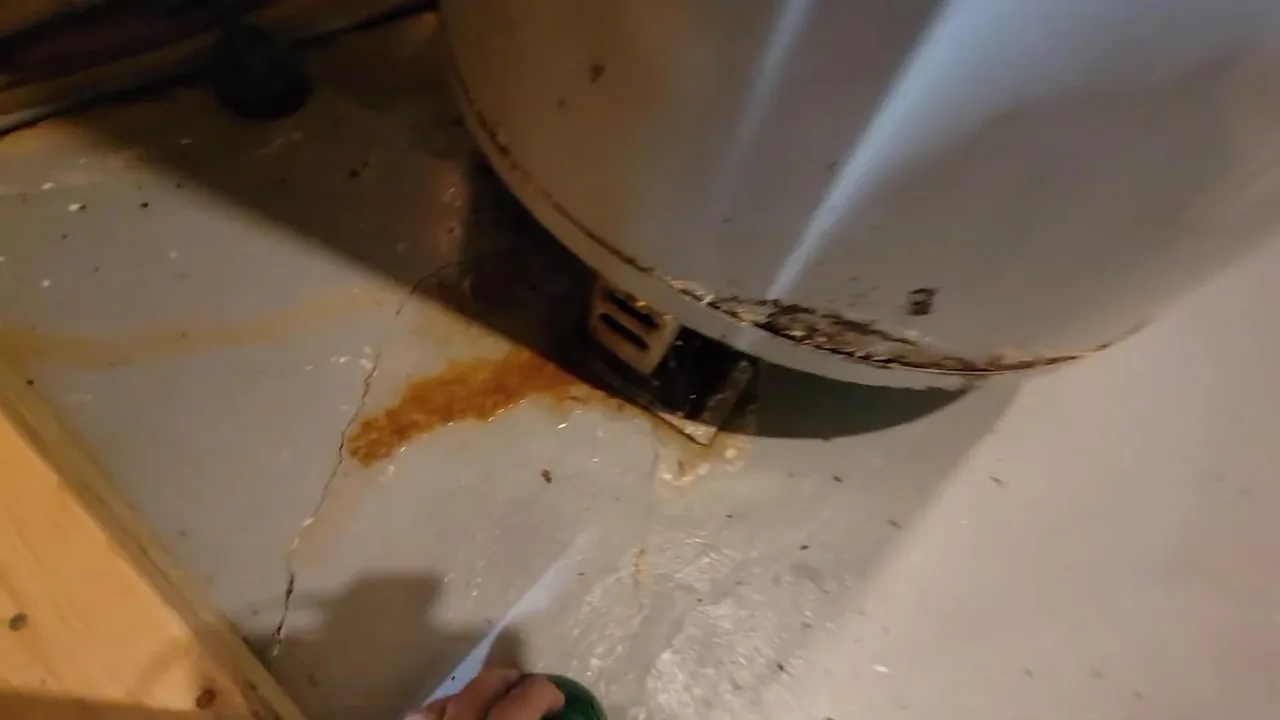
Look at the relief valve discharge pipe and the base of the tank for moisture. A leaking tank is a different problem, covered under a leaking water heater.
Meter still moving? Call and tell us what the meter did with the house main closed and with it open. It tells our plumbers where to start.
Call (833) 571-0120Leaks that only show up some of the time
A leak that appears only when something runs is easy to miss with the meter test. Check the hoses behind the washing machine, the supply line to the refrigerator's ice maker and the connections under every sink, because a hose can drip only during a fill cycle.
Irrigation systems and outdoor spigots can lose water between uses too. If your meter moves when the house is off, turn off the irrigation supply and test again before assuming the leak is inside.
Note which unit the meter counts in, usually gallons or cubic feet, so you can describe the rate of movement to the plumber. A fast sweep and a slow creep point to different leaks.
Other places water escapes: basements, copper pipe, roofs and pools
Basement dampness is not always plumbing. Seepage through a wall or floor after rain is a drainage matter, while a wet spot that appears in dry weather points to a pipe.
Copper supply lines can develop pinhole leaks, which spray a fine stream inside a wall or ceiling and show up as a stain before any dripping. The pipe material in your house is something the plumber should identify, not assume.
A roof or gutter leak belongs to a roofer. Pool and spa leaks use different methods, so ask any plumber whether pool work is something they do before booking.
What a leak location should give you
- The spot, marked.Ideally on the floor or wall surface, with the method explained.
- How it was found.Acoustic listening, thermal imaging and pressure testing find different leaks. Ask which was used and why.
- What sits above and around it.Tile, cabinets and slab all change how the repair is done.
- An access plan.Where it will be opened, how large the opening will be and who closes it up.
- Written findings.A summary for your insurer, with photographs where possible.
After the repair, repeat the meter test. A meter that holds still is the simplest proof the leak is stopped.
Leak detection questions from Monroe homeowners
How do I know if I have a hidden leak?
Watch for a water bill that rises without a change in use, a meter that moves when everything is off, damp or warm spots on floors, and the sound of water in the walls. The meter test above is the quickest way to confirm.
Will the plumber have to open my walls?
Not necessarily. Leak location aims to pinpoint the source so the opening is small. Ask where the plumber plans to cut and who will repair the surface afterward.
Is a smell of gas a water leak?
No. If you smell gas, leave the building and call the gas utility or 911 from outside. A gas smell is not something to diagnose with a meter test.
After the leak is found: repair, reroute or monitor
The location decides the repair. A leak in an exposed line is a simple fix, and a break in a wall or ceiling takes planning. A pipe that has burst is an emergency, while a slow pinhole can be scheduled.
For lines that run under concrete, leaks under a concrete slab explains the options, including rerouting the line instead of breaking the floor.
If water has already reached drywall or flooring, wet drywall and flooring is handled separately, on its own number, once the source is stopped.
Not every leak is plumbing. A roof or gutter leak belongs to a roofer, and a gas smell belongs to the gas utility. Gas line repair starts only after the utility has made the area safe.
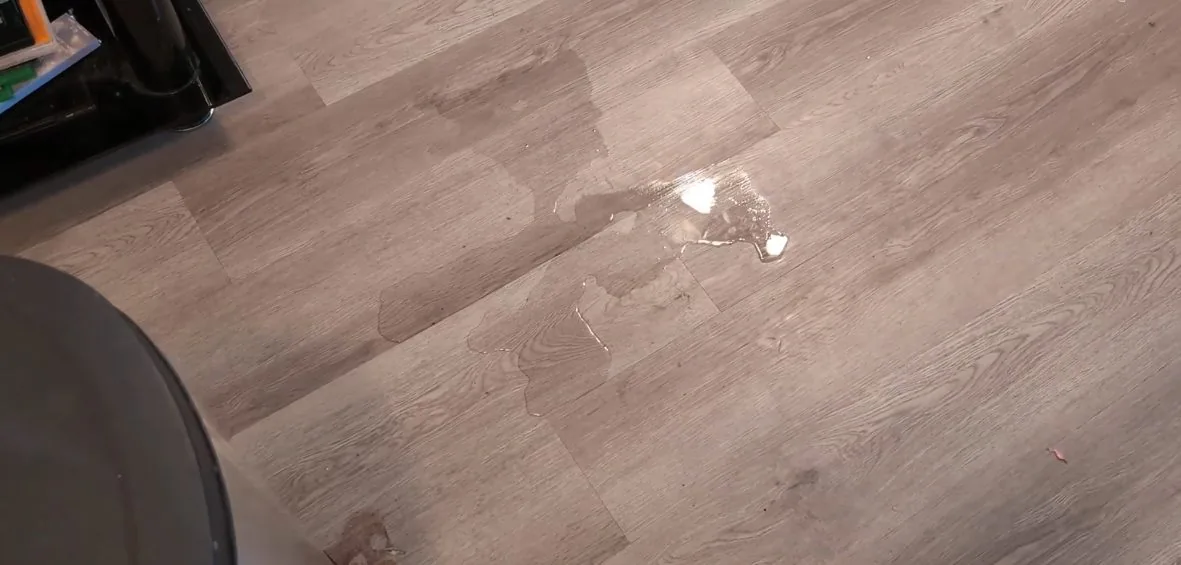
Suspect a hidden leak in Monroe?
Tell us what the meter did and where you noticed dampness.