Water Heater Installation · Monroe, NC
Water Heater Installation in Monroe, NC: License, Permit and Sizing Decisions
A water heater that has failed, or is about to, leaves you deciding quickly: replace it like for like, or use the chance to change fuel, size or location. Each choice carries different permit and licensing consequences, and a quote that skips them is incomplete.
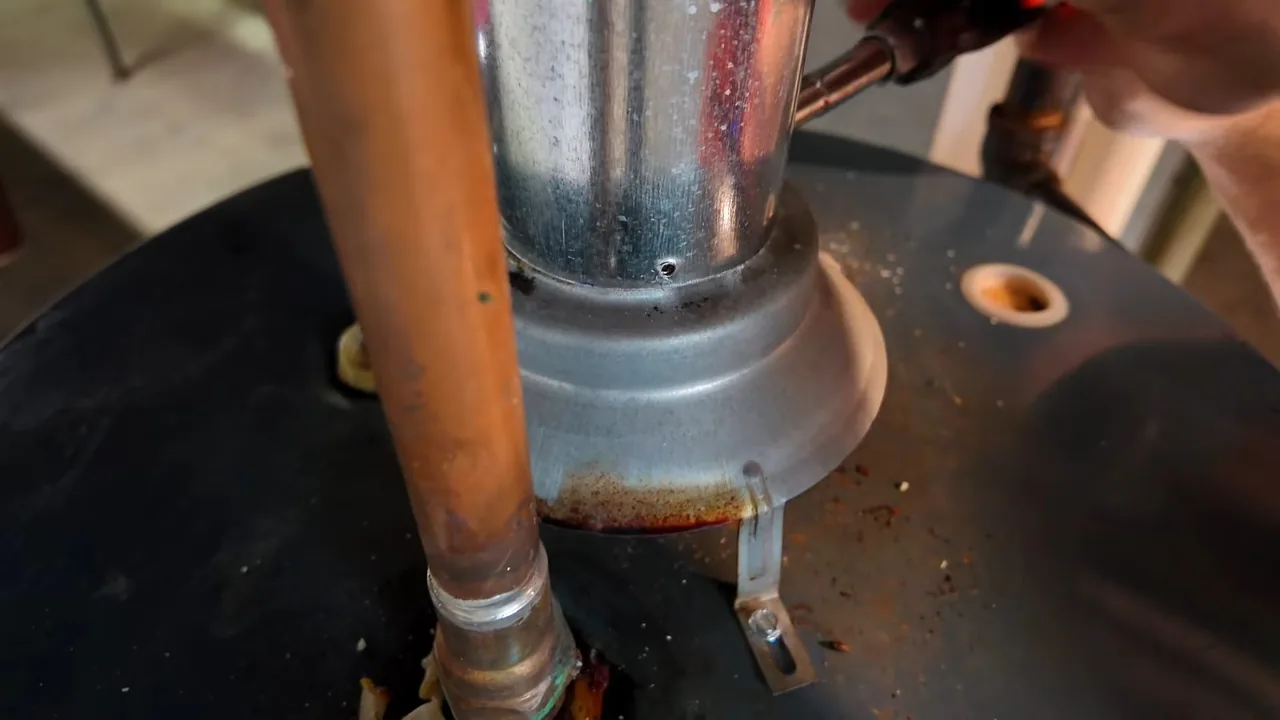
Water heater swap: like for like or a permit-triggering change
Union County says a water heater replacement is exempt from a permit when the fuel, location, capacity and venting stay the same. Change any of those and a permit is needed.
Inside the City of Monroe, permits come from the City's Building Standards office at 704-282-4524. Union County says its Building Code Enforcement office, 704-283-3816, issues building permits in all parts of the county except Monroe and Waxhaw. We could not find the City's own rule on water heaters, so confirm it with the City before the work, rather than after.
Union County Building Code Enforcement: 704-283-3816. City of Monroe Building Standards: 704-282-4524.
Ask the installer to say whether your job is like for like, who applies for the permit if one is needed and when the inspection happens.
Who may install a water heater in North Carolina
North Carolina's State Board of Examiners of Plumbing, Heating and Fire Sprinkler Contractors requires a plumbing license to install or replace a water heater. The rule makes an exception for an owner working on their own home when the home is not for sale or rent.
Minor repairs to an existing system fall outside the licensing requirement, which is why a part swap on a heater is treated differently from a replacement. The repair side is covered under repairing an existing water heater.
Ask for license details before work begins, and check them on the Board's online register of licensees.
Gas, electric or heat pump: what each needs from your house
| Type | What the house has to supply | What to confirm |
|---|---|---|
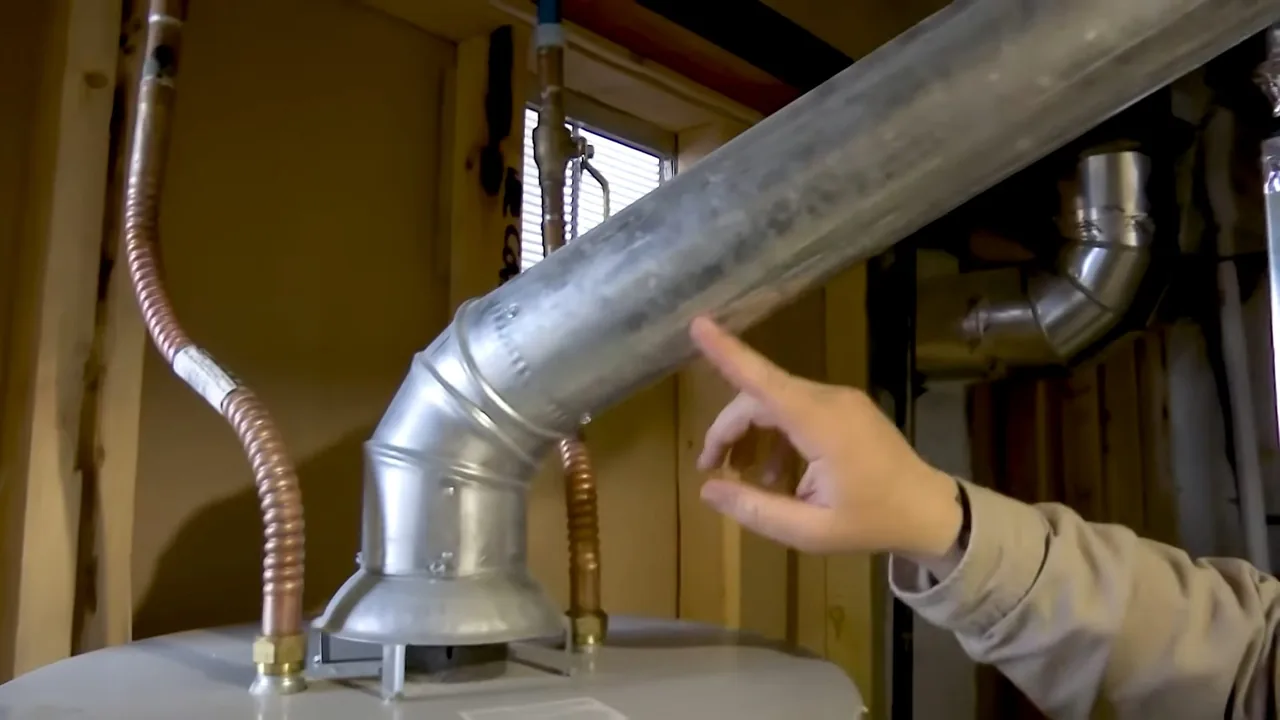
| Gas tank | A properly sized gas line, a vent to the outside and air for combustion | That the existing vent and gas line suit the new unit |
| Electric tank | A dedicated circuit with a breaker rated for the heater | Whether the panel and wiring are adequate, and who handles the electrical work |
| Heat pump (hybrid) | Room to work, enough air volume around the unit and a place for condensate to drain | Where the unit sits and whether the space suits it |
A heat pump unit draws heat from the air around it, so it cools the space it sits in and needs room to breathe. That suits some garages and basements better than a small closet.
A tankless unit asks even more of the gas supply and venting, which is covered under tankless units.
Planning a replacement? Tell us the fuel, where the heater sits and whether you want to change anything. It decides whether a permit comes into it.
Call (833) 571-0120Sizing: how much hot water do you actually use?
A heater that is too small runs out when two showers and a dishwasher overlap. One that is much larger than you need holds more heated water than your household ever draws.
Fuel and capacity are separate choices. If you have added a bathroom, a soaking tub or a second shower since the last heater went in, the old size may no longer fit how the house is used.
Ask the installer to explain the capacity they are proposing in terms of your household: how many people, how many bathrooms and whether anything has changed since the last heater went in. The first-hour rating on the unit's label tells you how much hot water it can deliver in a busy hour.
Where the heater sits changes the job
A heater in a closet is a simple swap. One in an attic or on an upper floor usually needs a drain pan and a drain line, so a leak does not reach the ceiling below. A heater in a garage often has to be raised or protected because of rules about ignition sources, and the installer should tell you how that will be handled.
If the new unit is a different size from the old one, it may not fit the same space or the same venting. Ask the installer to measure before quoting.
What a complete quote covers
- Removal and disposalof the old unit, and whether the old heater has been leaking onto the floor.
- Venting and connectionsfor a gas unit, and the electrical circuit for an electric one.
- The relief valve and its discharge pipeand where the discharge ends, so hot water is never directed at anyone.
- An expansion tank questionbecause some systems need one. Ask whether yours does, and why.
- The permit and the inspectionand who is responsible for each.
- Warranty terms in writingfor the tank and for the labor.
If the old heater has already been leaking
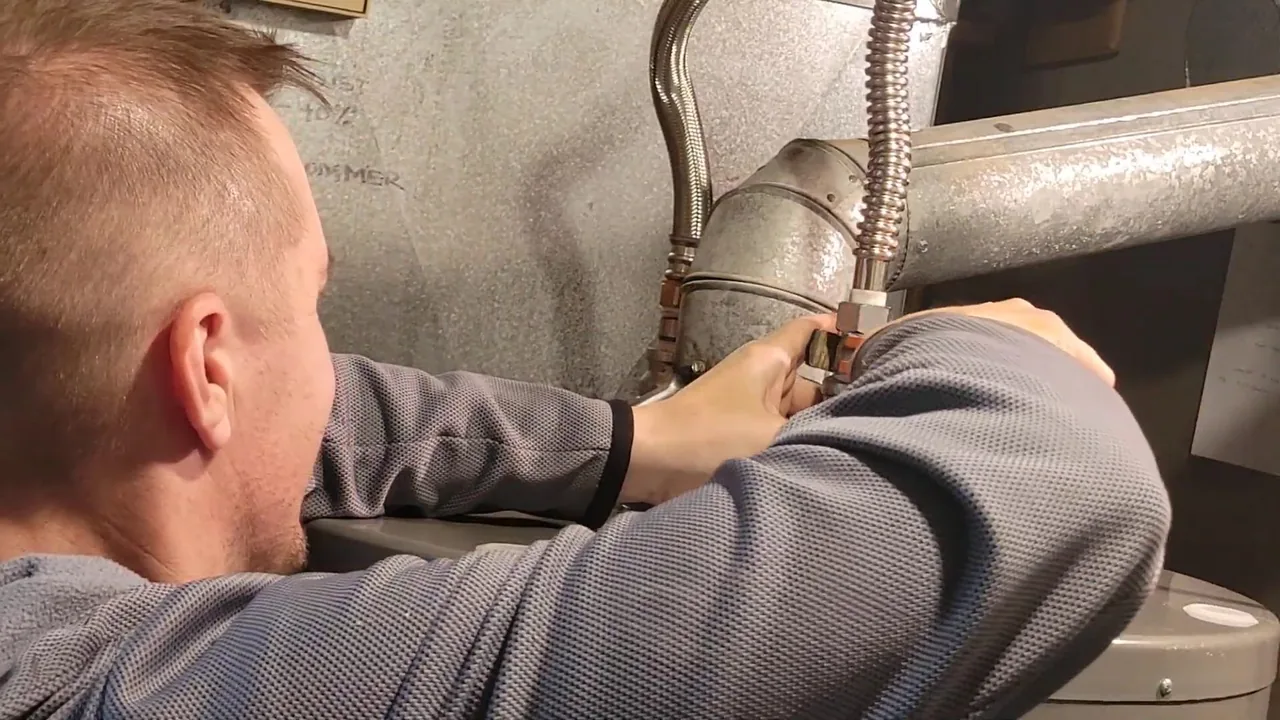
A heater that failed by leaking may have wet the floor, the insulation or the wall beside it. Ask the plumber to look at the surrounding area before the new unit goes in, and take photographs for your insurer.
If water has spread into the room, water removal and drying is a separate job on its own number, and it should not wait for the new heater to be installed.
Replacement day: what to prepare
Clear the path to the heater and the space around it. Know where your main shutoff is. Plan on being without hot water while the job runs.
Before the plumber leaves, ask them to show you the shutoff valves, the temperature setting and where the relief valve discharges, and to leave the manual and warranty paperwork.
Monroe's own water report lists a pH of 7.5 and does not publish a hardness figure. If scale is a concern in your home, call the City's Water Treatment Plant at 704-282-4668 and ask about your area.
Questions about water heater installation in Monroe
Do I need a permit to replace my water heater in Monroe?
Inside the City of Monroe, permits come from the City's Building Standards office at 704-282-4524. Union County says its Building Code Enforcement office, 704-283-3816, issues building permits in all parts of the county except Monroe and Waxhaw. Union County says a like-for-like water heater replacement, with the same fuel, location, capacity and venting, does not need a permit and that a change does. We could not find the City of Monroe's own rule on this, so ask the City's office before assuming it matches.
Can I install a water heater myself?
North Carolina requires a plumbing license to install or replace a water heater. The exception is an owner working on their own home that is not for sale or rent. Gas and venting work carry real safety risks even where the exception applies.
Is repair or replacement the better call?
It depends on the unit's age, where it leaks and how often it has failed. A leaking tank cannot be repaired. See the repair page for the checks that settle it.
Need a water heater replaced in Monroe?
Tell us the fuel, the location and what has gone wrong with the current heater.